negligence Hear it!

negligence Definition

neg·li·gence (neglə jəns)

noun

  1. the quality or condition of being negligent; specif.,
    1. habitual failure to do the required thing
    2. carelessness in manner or appearance; indifference
  2. an instance of such failure, carelessness, or indifference
  3. Law failure to use a reasonable amount of care when such failure results in injury or damage to another

Etymology: ME neglygence < OFr négligence < L negligentia

negligence Synonyms

negligence

n.

remissness, oversight, heedlessness; see carelessness, indifference 1, neglect 1.

negligence Law Definition

n

The failure to use reasonable care, resulting in harm to another.
comparative negligence
The plaintiff’s own negligent acts that bring about a pro rata reduction of the damages owed by the defendant, depending on the degree of the plaintiff’s own negligence; compare contributory negligence.
concurrent negligence
The negligence of two or more parties contributing to the ultimate harm.
contributory negligence
Any degree of negligence on the part of a plaintiff, which results in a total bar to recovery by the plaintiff, even if the defendant was negligent as well.  States are either “comparative” or “contributory” negligence jurisdictions.
criminal negligence
Negligence so substantial it is grounds for a criminal prosecution.
culpable negligence
Negligent actions committed with a disregard of the consequences.
gross negligence
Extreme negligence, acts committed with utter disregard for the consequences, punishable by punitive damages.
negligence per se
Negligence as to which there is no disputed fact issue and that may therefore be determined by the court without recourse to a jury.
negligence Usage Examples

Converse of object

  • allege: Solicitors wrote to Mr Wong alleging negligence on his part on 18 December 2004.
  • admit: The force, however, ' admitted police negligence ' in the case.
  • constitute: Failure to deal properly with a notice within the relevant period may constitute negligence, leading to possible liability.
  • prove: If someone makes a claim for damages they must be able to prove negligence and the onus is upon them to do so.
  • include: We are specialist solicitors dealing with all types of accident claims, including clinical negligence.

Converse of subject

  • cause: It would be fair to expect the customer to pay for repair caused by customer negligence or accident within their premises.

Adjective modifier

  • contributory: Consent might be relevant to issues of contributory negligence.
  • gross: A weak case for a plaintiff is not gross negligence.
  • culpable: So the question must be asked: is such inaction culpable negligence?
  • clinical: Victims of clinical negligence may also be deterred in a similar fashion.
  • alleged: In general an adult has three years from the date of the alleged negligence to bring a claim.
  • medical: The GMC would be informed in cases of medical negligence.

Modifies a noun

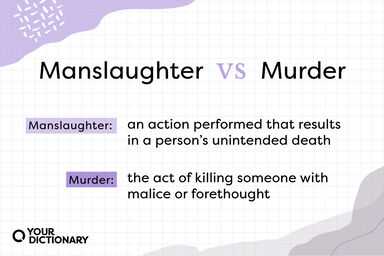
  • manslaughter: The normal principles of " gross negligence manslaughter " must be followed to determine liability.
  • claim: February 2003: Mr Justice Langley strikes out the majority of the negligence claim against Ernst & Young.
  • solicitor: Leigh Day partner - clinical negligence solicitor Anne Winyard - is a member of the Working Party.
  • litigation: The balance of his practice involves large personal injury and some clinical negligence litigation and fatal accidents.
  • mediation: More detailed discussion of the dynamics of clinical negligence mediation can be found in The ADR Practice Guide, co-authored by the writer.
  • compensation: We deal with medical negligence compensation across England & Wales.

Possessives

  • solicitor: Professional indemnity claims involving solicitors ' negligence, personal injury claims and other issues.

Preposition: by

  • gcap: This exclusion does not include any liability for negligence by GCap or death or personal injury arising out of such negligence.